
Endurance overnight oats are every athlete’s dream breakfast — simple to prepare, easy to digest, and packed with long-lasting energy. Whether you’re gearing up for a marathon, a triathlon, or just love those long weekend runs, these oats offer the perfect balance of carbs, protein, and healthy fats to keep you fueled from start to finish.
Unlike heavy pre-race meals, endurance overnight oats provide a steady stream of energy without digestive stress. Their slow-releasing carbs help sustain your pace, while their creamy, customizable texture makes them a favorite among runners and cyclists alike.
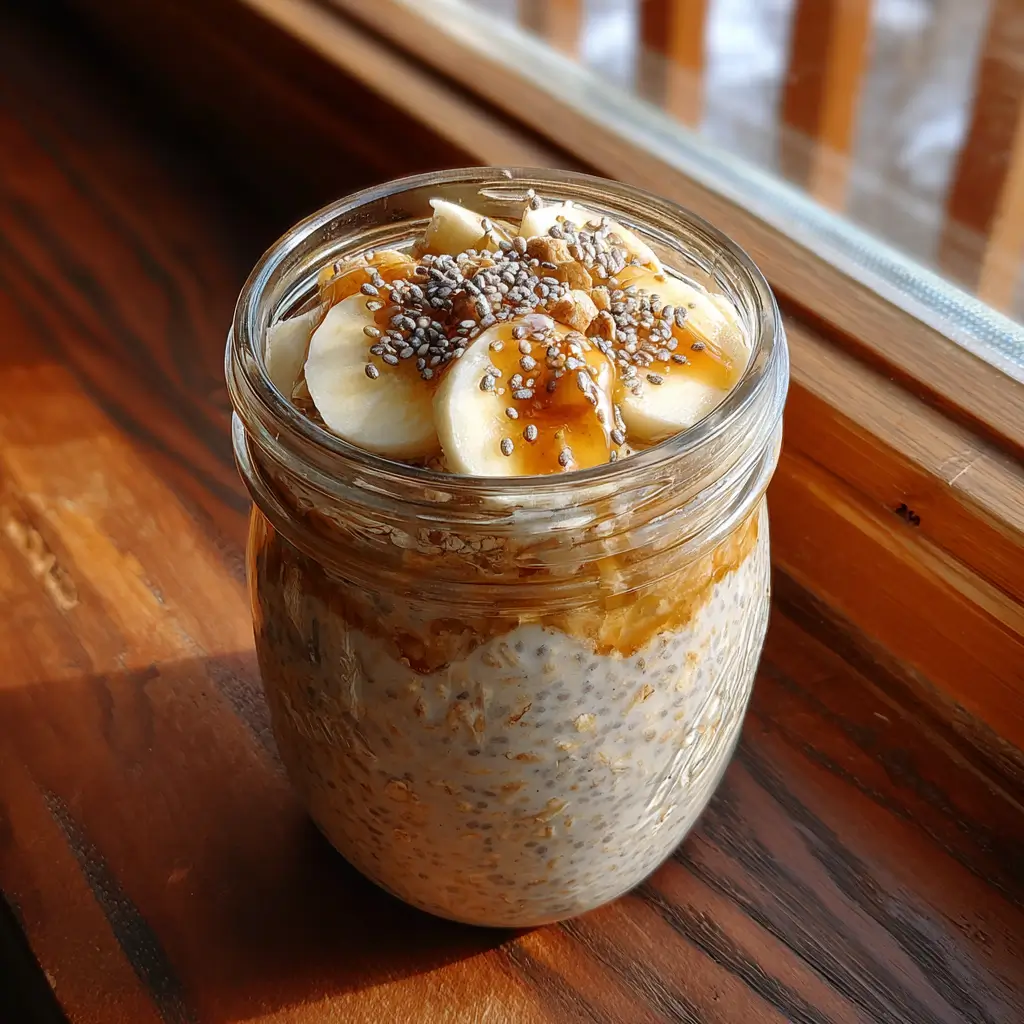
Learn more about how overnight oats can power your recovery and performance in our high-protein vegan overnight oats guide.
For more recipe inspiration, follow our community of healthy eaters on Facebook and check out our athlete-approved breakfast ideas on Pinterest.
Table of Contents
What Are Endurance Overnight Oats and Why They Matter
Understanding Endurance Overnight Oats
Endurance overnight oats are designed with one goal in mind — sustained performance. They’re a specialized version of traditional overnight oats, tailored for endurance athletes who need long-lasting fuel before or after training. By soaking oats overnight in milk, yogurt, or a plant-based alternative, the grains soften naturally, creating a smooth, ready-to-eat texture that’s both satisfying and easy on the stomach.
What sets endurance overnight oats apart is their nutritional balance. The combination of complex carbs, lean proteins, and healthy fats helps maintain glycogen levels and prevent mid-race energy crashes. Plus, they’re portable, time-saving, and endlessly customizable — making them an ideal pre-race or recovery meal for busy athletes.
The Science of Slow-Releasing Carbs for Endurance
The power of endurance overnight oats lies in their slow-releasing carbohydrates. Oats are rich in beta-glucan, a soluble fiber that slows digestion and delivers a steady energy flow — crucial for long-duration sports like marathons and triathlons. This gradual release of glucose keeps your muscles supplied with energy and prevents early fatigue.
Pairing oats with natural protein sources such as Greek yogurt, nut butters, or chia seeds further enhances recovery and satiety. Meanwhile, adding fruits like bananas or berries helps boost potassium and antioxidants, which are essential for endurance performance.
For a closer look at how oats compare to traditional hot cereal options, check out our in-depth overnight oats vs oatmeal guide to see which version best fits your training goals.
Nutritional Benefits for Marathoners and Triathletes
Macronutrients for Endurance Athletes
When it comes to long-distance performance, nutrition can make or break your run. Endurance overnight oats stand out because they offer a near-perfect ratio of macronutrients that endurance athletes need — carbohydrates for energy, protein for recovery, and healthy fats for sustained stamina.
Here’s a quick breakdown of how these nutrients work for your body:
| Macronutrient | Function for Endurance | Best Sources in Overnight Oats |
|---|---|---|
| Carbohydrates | Replenish glycogen stores and maintain steady energy | Oats, honey, banana, berries |
| Protein | Repairs and builds muscle tissue | Greek yogurt, chia seeds, nut butter |
| Healthy Fats | Provide lasting energy and aid nutrient absorption | Almond butter, flaxseeds, walnuts |
Oats are an endurance athlete’s best friend because they’re loaded with complex carbohydrates — the body’s preferred source of fuel during prolonged activity. By pairing them with proteins like yogurt or plant-based milk, you create a balanced, slow-digesting breakfast that keeps you energized through the longest miles.
Micronutrients and Electrolytes That Support Stamina
It’s not just carbs and protein that matter. Endurance athletes also rely heavily on micronutrients and electrolytes to perform at their peak. Magnesium, potassium, and sodium all play key roles in maintaining muscle function, hydration, and energy metabolism.
Luckily, endurance overnight oats are a natural source of these nutrients when made with ingredients like bananas (potassium), almonds (magnesium), and a pinch of sea salt (sodium). Add in berries for antioxidants, and you’ve got a powerhouse breakfast that helps your body recover faster between workouts.
These nutrients help prevent cramping, delay fatigue, and keep your nervous system firing efficiently during long races or intense training sessions. For triathletes, balancing electrolytes is especially crucial since the combination of swimming, cycling, and running can lead to high sweat loss.
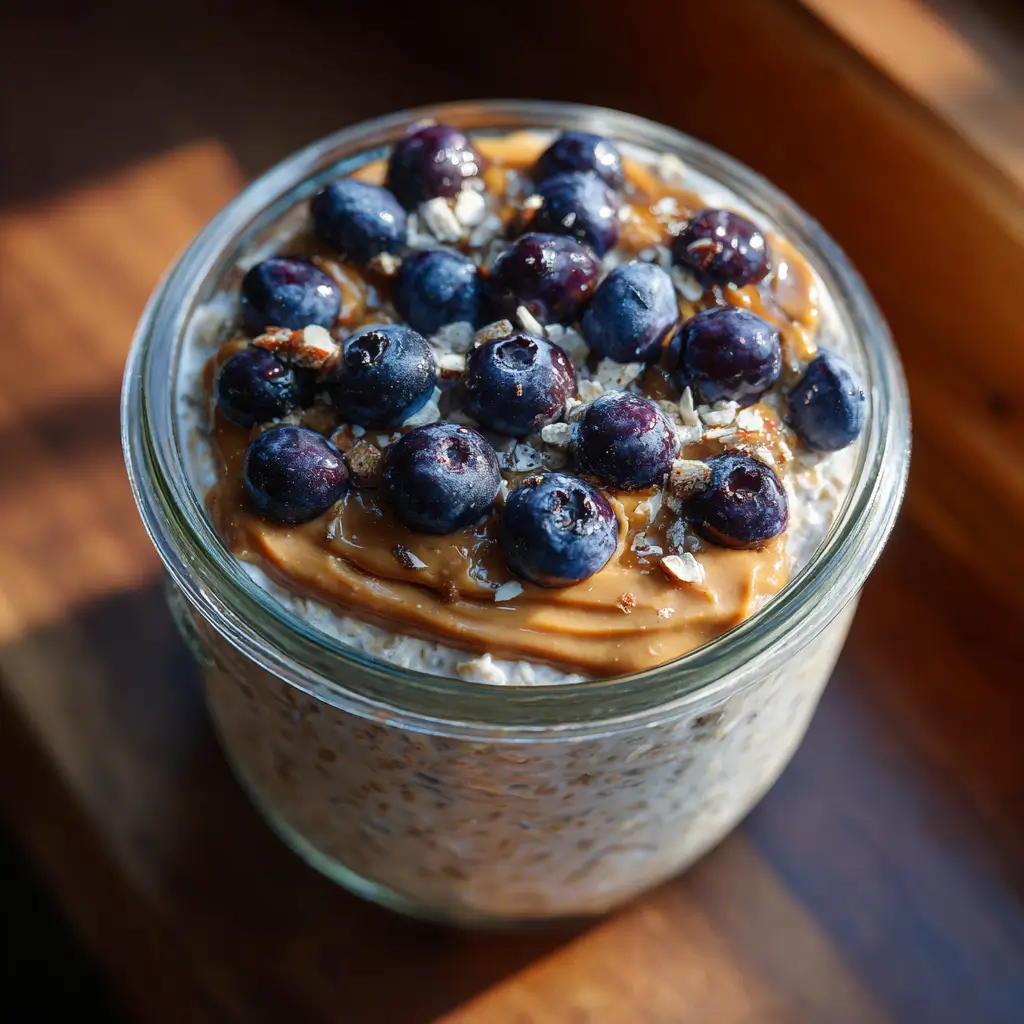
To learn how other athletes enhance recovery and nutrient absorption, check out our guide on overnight oats digestion.
How to Make Perfect Endurance Overnight Oats
Choosing the Right Oats for Performance
Not all oats are created equal — especially when it comes to fueling endurance athletes. The type of oats you choose can influence how your body absorbs nutrients and sustains energy during training.
For endurance overnight oats, rolled oats are the go-to option. They absorb liquid well, soften perfectly overnight, and provide a slow release of carbohydrates — ideal for steady energy during long runs or rides. Steel-cut oats, while nutritious, can be a bit too dense unless you cook them slightly before soaking. Quick oats, on the other hand, tend to lose texture and may spike blood sugar faster than you’d like.
Here’s a quick comparison for clarity:
| Oat Type | Texture | Digestion Speed | Best Use for Endurance |
|---|---|---|---|
| Rolled Oats | Creamy, smooth | Moderate | Best for pre-run meals |
| Steel-Cut Oats | Chewy, hearty | Slow | Great for extra fiber |
| Quick Oats | Soft, mushy | Fast | Use only for light recovery snacks |
Step-by-Step Guide to Making Endurance Overnight Oats
Crafting the perfect jar of endurance overnight oats is all about balance and timing. Here’s how to do it:
- Start with the base: Combine ½ cup rolled oats with ½ cup milk (dairy or plant-based) in a jar.
- Add protein: Stir in ¼ cup Greek yogurt or 1 tablespoon of nut butter for extra muscle repair.
- Mix in endurance fuel: Add ½ a banana for carbs, 1 teaspoon chia seeds for fiber, and a pinch of salt for electrolyte balance.
- Sweeten smartly: Use natural sources like honey or maple syrup.
- Refrigerate overnight: Let it soak for at least 8 hours.
- Top it off in the morning: Add fresh fruit, nuts, or a spoonful of yogurt before eating.
For a reliable base that suits different athletic goals, check out our overnight oats base formula.
Best Ingredient Add-Ins for Endurance Fuel
Carbohydrate Boosters: Fruits, Grains, and Natural Sweeteners
When it comes to endurance overnight oats, your carbohydrate choices make all the difference. Carbs are your body’s primary source of fuel for long workouts and races, which is why marathoners and triathletes rely on oats for consistent energy. By adding the right mix of natural ingredients, your endurance overnight oats can become a powerful pre-race meal or recovery option after long runs.
Here are a few smart ways to boost the carb profile of your oats:
- Bananas: A staple in any endurance recipe, they’re rich in potassium and provide quick yet steady energy.
- Berries: Packed with antioxidants that fight oxidative stress from intense training.
- Honey or maple syrup: Natural sweeteners that top off glycogen stores without refined sugar.
- Whole grains: Mix in quinoa flakes, cooked rice, or even barley to make your endurance overnight oats heartier for extra-long sessions.
Athletes training for a marathon or triathlon can also blend in pureed pumpkin or sweet potato for slow-releasing carbs. These add-ins make your oats creamy, flavorful, and nutrient-dense — everything you need before tackling a long run.
Protein and Healthy Fat Sources for Recovery
To balance your energy levels and promote muscle recovery, endurance overnight oats should always include quality proteins and healthy fats. This combination ensures sustained endurance, stable blood sugar, and faster post-run recovery.
Ideal protein and fat add-ins include:
- Greek yogurt or skyr: Adds smooth texture and boosts protein for muscle repair.
- Nut butters (peanut, almond, or cashew): Perfect for triathlon breakfast oats or long-distance training fuel.
- Chia seeds, hemp seeds, and flaxseeds: Provide omega-3s for inflammation control and digestive balance.
- Milk alternatives: Soy, almond, or oat milk keep your endurance overnight oats creamy and nutrient-rich.
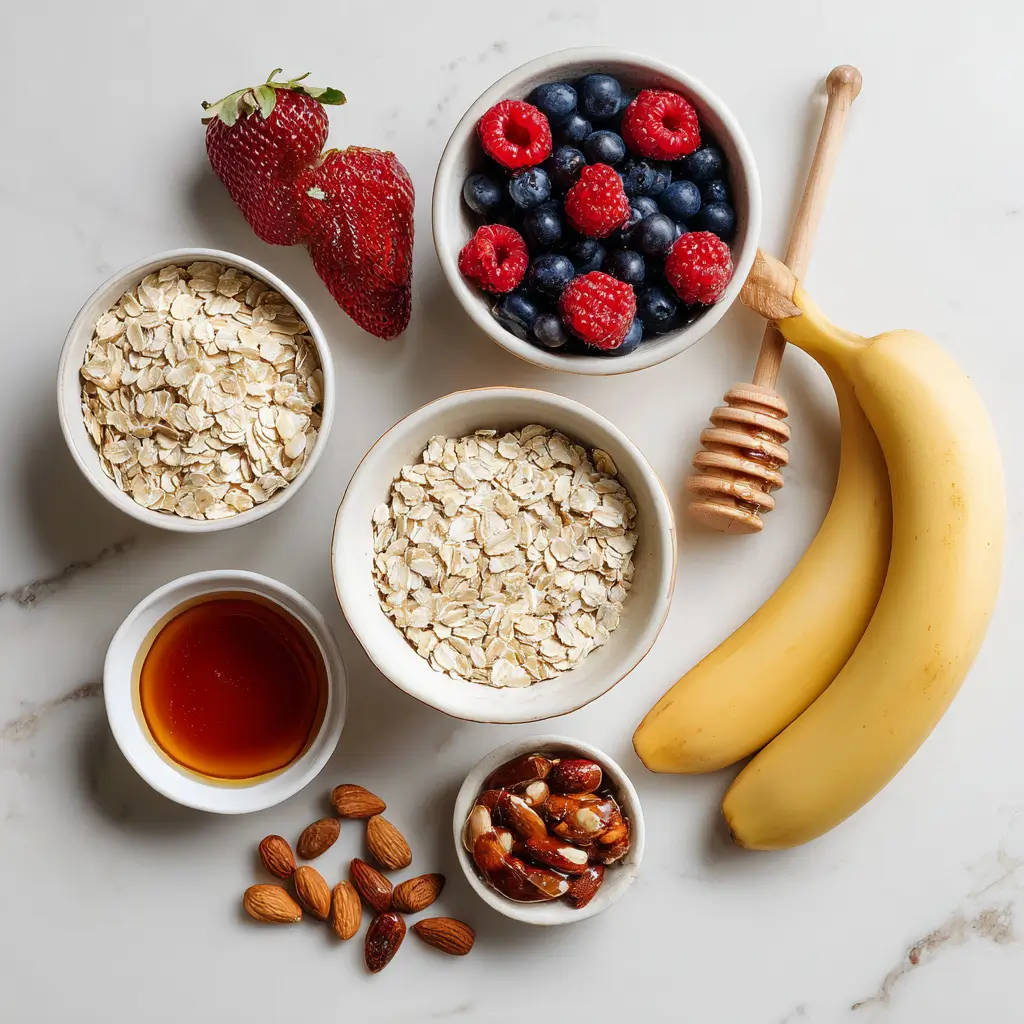
Healthy fats not only slow digestion slightly (keeping you fuller longer) but also enhance nutrient absorption — a key benefit when every ounce of energy counts. To elevate your protein intake while maintaining great flavor, check out our peanut butter powder oats — a variation that complements endurance overnight oats perfectly for long-run recovery.
Timing Your Endurance Overnight Oats
When to Eat Endurance Overnight Oats Before Training or Races
Timing your meals can be just as important as what you eat — especially for athletes who rely on sustained energy. The beauty of endurance overnight oats is that they’re easy to digest, making them a great pre-race meal that won’t weigh you down.
For best results, enjoy your oats 2 to 3 hours before your long run, marathon, or triathlon. This gives your body time to digest and convert those slow-releasing carbohydrates into steady fuel. If you’re racing early in the morning, prep your jar the night before and keep it in the fridge. Grab and go — no cooking required.
For shorter runs or workouts under 90 minutes, smaller portions of endurance overnight oats about 60 minutes before training can still offer steady energy without bloating or discomfort. Just avoid overloading your jar with fats or fiber before running, as that can delay digestion and cause stomach issues mid-race.
If you’re unsure what portion size works best for you, start small and adjust based on how your stomach feels during training. Every athlete’s tolerance is different, and part of optimizing marathon oats is learning your own rhythm.
Post-Run Recovery with Endurance Overnight Oats
After endurance training, your muscles are hungry for glycogen and amino acids. That’s why eating endurance overnight oats within 30–60 minutes after finishing your run or race can make a big difference in recovery. The mix of complex carbs and protein helps replenish energy stores, repair muscle tissue, and reduce soreness.
Here’s a simple recovery formula:
- ½ cup rolled oats for carbs
- 1 scoop Greek yogurt or protein powder for muscle repair
- 1 banana for potassium
- 1 tablespoon nut butter for healthy fats
- 1 pinch of salt for electrolytes
This combo makes your post-run oats taste amazing while optimizing your body’s recovery window. You can even warm them slightly if you prefer a cozy, comforting meal after a cold training session.
For more tips on how to improve your body’s ability to absorb nutrients and recover faster, check out our overnight oats digestion guide — it’s full of insights for athletes fine-tuning their fueling strategy.
Variations – Marathon Oats, Triathlon Breakfast Oats, and More
Marathon Oats for Long-Distance Runners
When it comes to fueling long runs, endurance overnight oats are a reliable, easy-to-digest option packed with the right balance of carbs and protein. For marathoners, the goal is steady energy and smooth digestion.
Banana-Cinnamon Marathon Oats
- ½ cup rolled oats
- ½ cup almond milk
- ½ banana (mashed)
- 1 tsp honey and cinnamon
- 1 tbsp chia seeds
This combo delivers lasting fuel for endurance events while supporting hydration and muscle function.
Triathlon Breakfast Oats for Multisport Athletes
Triathletes need fuel that’s light but long-lasting. These endurance overnight oats offer electrolytes, carbs, and healthy fats to carry you from swim to run.
Coconut-Berry Triathlon Oats
- ½ cup rolled oats
- ½ cup coconut water
- ¼ cup coconut yogurt
- ¼ cup berries
- 1 tbsp hemp seeds
Hydrating, refreshing, and rich in antioxidants, this recipe supports all-day energy.
For more ways to balance protein and carbs in your fueling routine, check out our high-protein overnight oats.
Common Mistakes to Avoid
Using the Wrong Oat Ratio
Even the best athletes can ruin a good batch of endurance overnight oats by misjudging their oat-to-liquid ratio. Too much liquid and your oats turn soupy; too little and they’re dense and hard to digest. The ideal ratio is 1:1 — equal parts oats and milk — which gives a creamy texture that digests easily before or after workouts. For thicker oats, add a spoon of yogurt; for lighter oats, increase the milk slightly.
Overloading with Sugar or Fat
Another common mistake? Turning your endurance overnight oats into dessert. Adding too much syrup, nut butter, or chocolate can spike blood sugar and slow digestion. Stick to small portions of natural sweeteners like honey or fruit for sustained energy. A tablespoon of nut butter is plenty for healthy fats without heaviness.
Skipping Protein or Electrolytes
For athletes, protein and electrolytes are essential. Forgetting them means your oats won’t fully support recovery or hydration. A scoop of Greek yogurt, protein powder, or a pinch of salt helps balance nutrients and makes your endurance overnight oats race-day ready.
If you’re new to prepping, check out our quick guide on overnight oats mistakes — it’s packed with simple fixes to help you master the perfect consistency every time.
FAQs About Endurance Overnight Oats
Are overnight oats good for athletes?
Absolutely. Endurance overnight oats are one of the best meal options for athletes because they deliver long-lasting energy, muscle-repairing protein, and essential electrolytes — all in one convenient jar. Unlike heavy breakfasts, they digest easily, making them ideal for both pre- and post-training fuel. The slow-releasing carbs in oats help sustain energy levels for endurance events like marathons and triathlons.
Are overnight oats good for running?
Yes. Many runners prefer endurance overnight oats because they provide a stable energy source without stomach upset. Oats are rich in complex carbohydrates that release energy gradually, helping you maintain a consistent pace during long runs. Adding a small amount of protein, such as Greek yogurt or nut butter, supports recovery and prevents mid-run fatigue.
Are oats good for endurance?
Definitely. Oats are among the best foods for endurance athletes. They’re packed with fiber, B vitamins, iron, and magnesium — nutrients that help your body convert food into usable energy efficiently. When soaked overnight, oats become easier to digest, making marathon oats and triathlon breakfast oats perfect for pre-event meals.
Can I eat oatmeal 30 minutes before a run?
It depends on your stomach and the portion size. If you eat endurance overnight oats about 30 minutes before a short run, keep it light — maybe half a serving with minimal fats or fiber. For longer workouts, aim to eat 2–3 hours before. This allows your body enough time to process the carbohydrates for steady energy.
If you’re curious about how different preparation methods affect texture and digestion, learn more in our overnight oats digestion guide.
Conclusion – Power Your Performance with Endurance Overnight Oats
Fuel Smart, Train Strong
Whether you’re chasing a new marathon PR, conquering your first triathlon, or building endurance for long training runs, endurance overnight oats can be your go-to breakfast for consistent, sustained energy. They’re nutrient-dense, easy to digest, and endlessly customizable — perfect for athletes who want performance without complexity.
The combination of slow-releasing carbs, balanced protein, and hydrating ingredients makes these oats more than just a meal — they’re strategic fuel for endurance success. The best part? You can prep them in minutes, save time on busy mornings, and still power through your toughest workouts feeling light and energized.
If you’re ready to take your fueling routine to the next level, don’t miss our meal prep overnight oats guide — it’s full of athlete-approved ideas for recovery and long-term endurance support.
Final Thoughts
Endurance athletes don’t just need food — they need fuel. And endurance overnight oats deliver exactly that: slow, steady energy that supports every mile, every lap, and every rep. Make it part of your daily routine, experiment with your favorite add-ins, and you’ll feel the difference in your performance, recovery, and focus.
Train hard, eat smart, and let your oats work as hard as you do.