
Low GI overnight oats aren’t just another breakfast trend—they’re one of the smartest ways to start your morning. Designed to release energy slowly and keep blood sugar steady, low GI overnight oats are perfect for people managing diabetes, watching carbs, or simply wanting a healthier, more balanced meal. With the right mix of ingredients, this low GI overnight oats recipe becomes your ultimate make-ahead breakfast: creamy, delicious, and incredibly easy to prepare.
What makes low GI overnight oats so special? The secret lies in their low glycemic index. By using steel-cut oats—which are less processed than rolled or instant oats—you slow down digestion and keep glucose levels stable. That means no mid-morning crashes, just steady energy and full satisfaction. When you add fiber-rich berries, chia or flax seeds, and a sprinkle of cinnamon, you’re creating a bowl that supports blood sugar control and long-term wellness.
Another reason to love low GI overnight oats is their simplicity. You don’t have to cook anything—just mix oats with plant-based milk, refrigerate overnight, and wake up to a ready-to-eat breakfast that feels indulgent yet completely guilt-free. It’s quick, budget-friendly, and ideal for busy mornings or travel days.
In this article, we’ll cover everything you need to know about low GI overnight oats—what they are, why they’re great for diabetic-friendly diets, and how to make them at home with the right ingredients. You’ll also find easy variations using nuts, seeds, and fruit to keep your oats exciting every day.
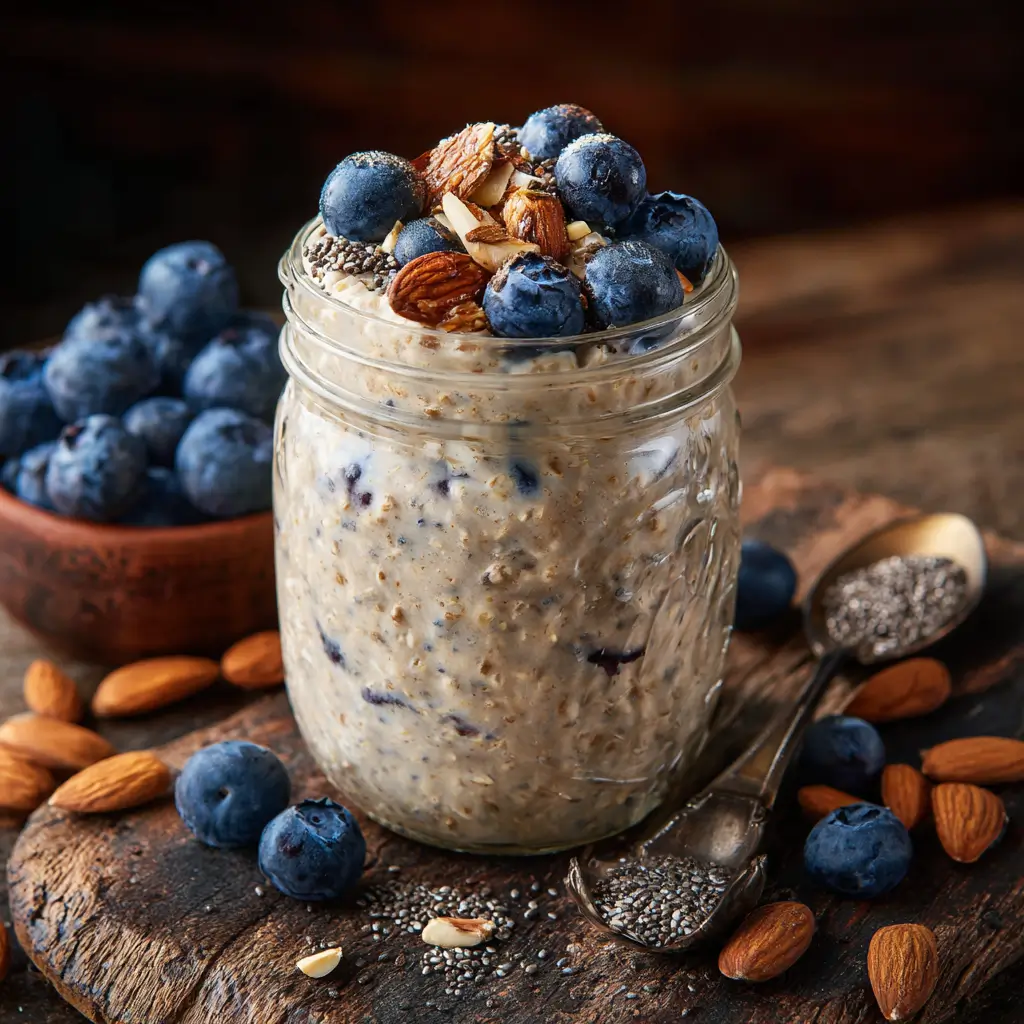
Want more creative ideas? Discover great recipes like our High-Protein Vegan Overnight Oats for another power-packed breakfast that keeps your blood sugar in check. And for new recipe drops, follow us on Pinterest for visual inspiration and meal-prep ideas you’ll actually want to try.
Table of Contents
Understanding Low GI Foods and Blood Sugar Balance
What Does “Low GI” Mean?
The “GI” in low GI overnight oats stands for glycemic index, which measures how fast a food raises your blood sugar. Foods with a low glycemic index digest slowly, providing steady energy instead of sharp glucose spikes. That’s what makes low GI overnight oats perfect for anyone managing diabetes, weight, or simply aiming for balanced energy levels.
Why Choose Low GI Oats for Breakfast?
Oats naturally fall in the low-to-medium GI range, but not all oats are equal. Steel-cut oats have a lower GI than rolled oats because they’re less processed and higher in fiber. Using them in your low glycemic overnight oats recipe helps your body release glucose more slowly, keeping blood sugar steady and hunger under control.
Steel-Cut vs. Rolled Oats
Steel-cut oats are chewier and more nutrient-dense, while rolled oats are softer and quicker to digest. For true low GI overnight oats, steel-cut is your best bet—they take longer to break down and offer more lasting fullness.
Check out our Overnight Oats for Diabetics to learn more about how different oat types affect blood sugar balance.
How to Make Low GI Overnight Oats Step-by-Step
1. Start with Steel-Cut Oats
For the best low GI overnight oats, always use steel-cut oats. They’re less processed, higher in fiber, and digest slowly, keeping your blood sugar stable and your energy steady all morning.
2. Add Low Glycemic Ingredients
To make truly low glycemic overnight oats, combine oats with chia seeds, cinnamon, and unsweetened plant-based milk. These ingredients help slow glucose release and add great texture and flavor.
Simple Base Mix:
| Ingredient | Amount | Purpose |
|---|---|---|
| Steel-cut oats | ¾ cup | Low GI base |
| Chia or flax seeds | 1 tbsp | Fiber and omega-3s |
| Cinnamon | ½ tsp | Sugar control |
| Almond milk | 1¼ cup | Liquid soak |
3. Soak and Chill
Mix everything in a jar, cover, and refrigerate overnight. This no-cook method softens oats while preserving nutrients—perfect for a quick low GI breakfast.
4. Top Smartly
In the morning, stir and add berries, nuts, or seeds. Stick with low-sugar fruits like blueberries or strawberries to keep your low GI overnight oats truly blood sugar–friendly.
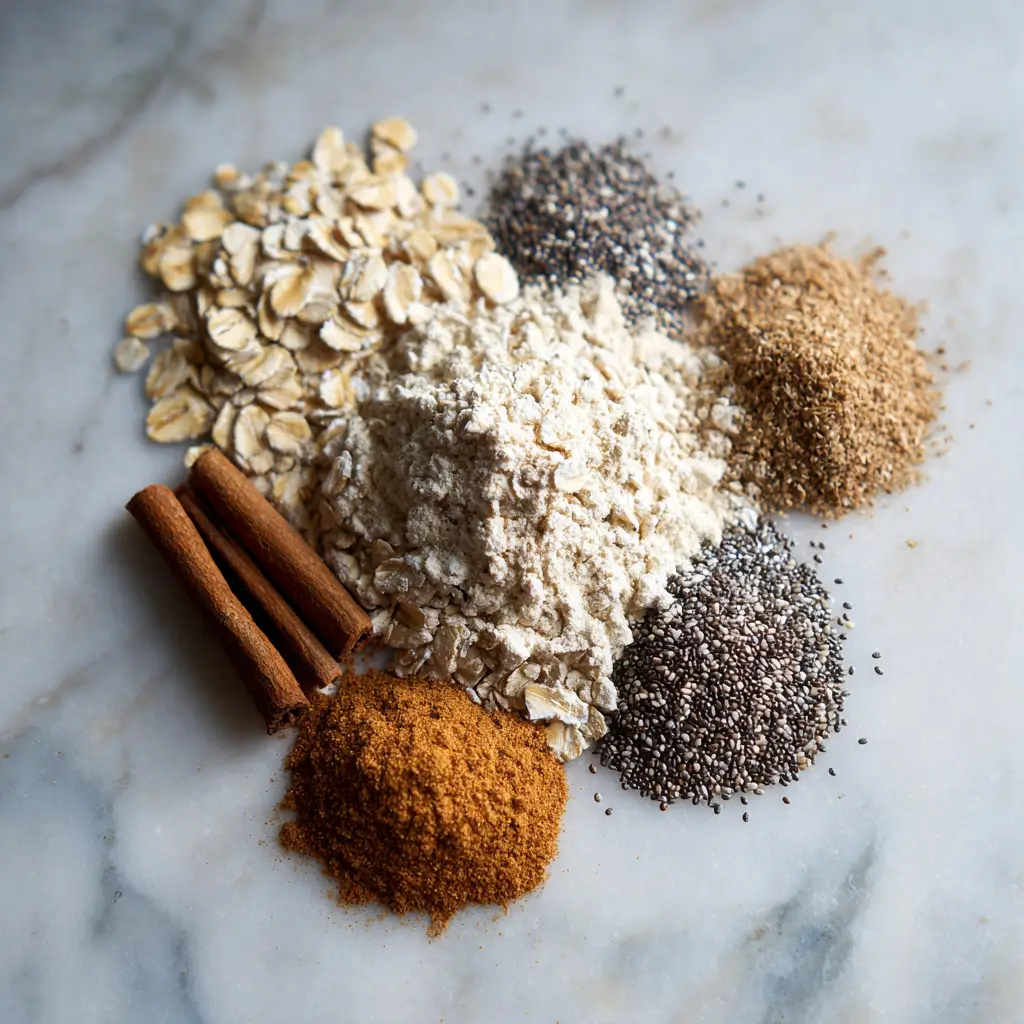
Check out our Greek Yogurt Overnight Oats for another low GI variation that adds creaminess and protein.
Key Ingredients That Keep Overnight Oats Low GI
Steel-Cut Oats: The Star of the Bowl
The main reason low GI overnight oats work so well is because of steel-cut oats. Their intact fiber and dense texture slow digestion, preventing sudden blood sugar spikes. Compared to rolled oats, they release glucose more gradually, making them perfect for steady energy and better appetite control.
Chia Seeds and Flaxseeds for Fiber Boost
Adding chia or flaxseeds to low glycemic overnight oats gives your breakfast a fiber and omega-3 upgrade. These superfoods form a natural gel when soaked, thickening your oats while slowing carbohydrate absorption—a great combination for sugar control.
Berries: Natural Sweetness, Low Glycemic Load
Fresh or frozen berries are the best fruits for low GI overnight oats. Blueberries, raspberries, and strawberries are naturally low in sugar and packed with antioxidants that support heart and metabolic health. They add color, flavor, and sweetness without raising the glycemic index.
Cinnamon and Nuts: Flavor Meets Function
Cinnamon isn’t just for taste—it may help improve insulin sensitivity. A sprinkle in your low glycemic oats adds warmth and natural sweetness without sugar. Almonds, walnuts, or pecans contribute healthy fats and crunch, keeping you full longer.
Looking for inspiration? Check out our High-Protein Overnight Oats for Weight Loss for another nutrient-dense, blood sugar–friendly breakfast idea.
The Science Behind Low GI Oats and Blood Sugar Control
How Low GI Oats Affect Glucose Levels
The secret to low GI overnight oats lies in how slowly they release glucose into your bloodstream. Because steel-cut oats contain intact fiber and resistant starch, they digest at a steady pace, helping your body avoid sharp insulin spikes. This makes low glycemic oats ideal for maintaining energy and reducing sugar cravings throughout the day.
Why Slow Digestion Is Beneficial
When you eat low GI overnight oats, the carbohydrates are broken down gradually. This steady process keeps blood sugar balanced, preventing fatigue and mood swings. It also improves insulin sensitivity over time—a key factor in diabetes prevention and weight management.
The Role of Fiber and Healthy Fats
Soluble fiber in oats forms a gel in the stomach, slowing digestion and promoting fullness. When you pair oats with chia seeds, nuts, or flaxseeds, the added fats further stabilize blood sugar levels. That’s why a well-balanced bowl of low GI overnight oats can be both satisfying and beneficial for long-term metabolic health.
Don’t miss our Overnight Oats Refrigerated Guide for tips on proper soaking and storage to preserve nutrients and texture.
Best Toppings and Flavor Combinations for Low GI Overnight Oats
Fruits That Keep It Low GI
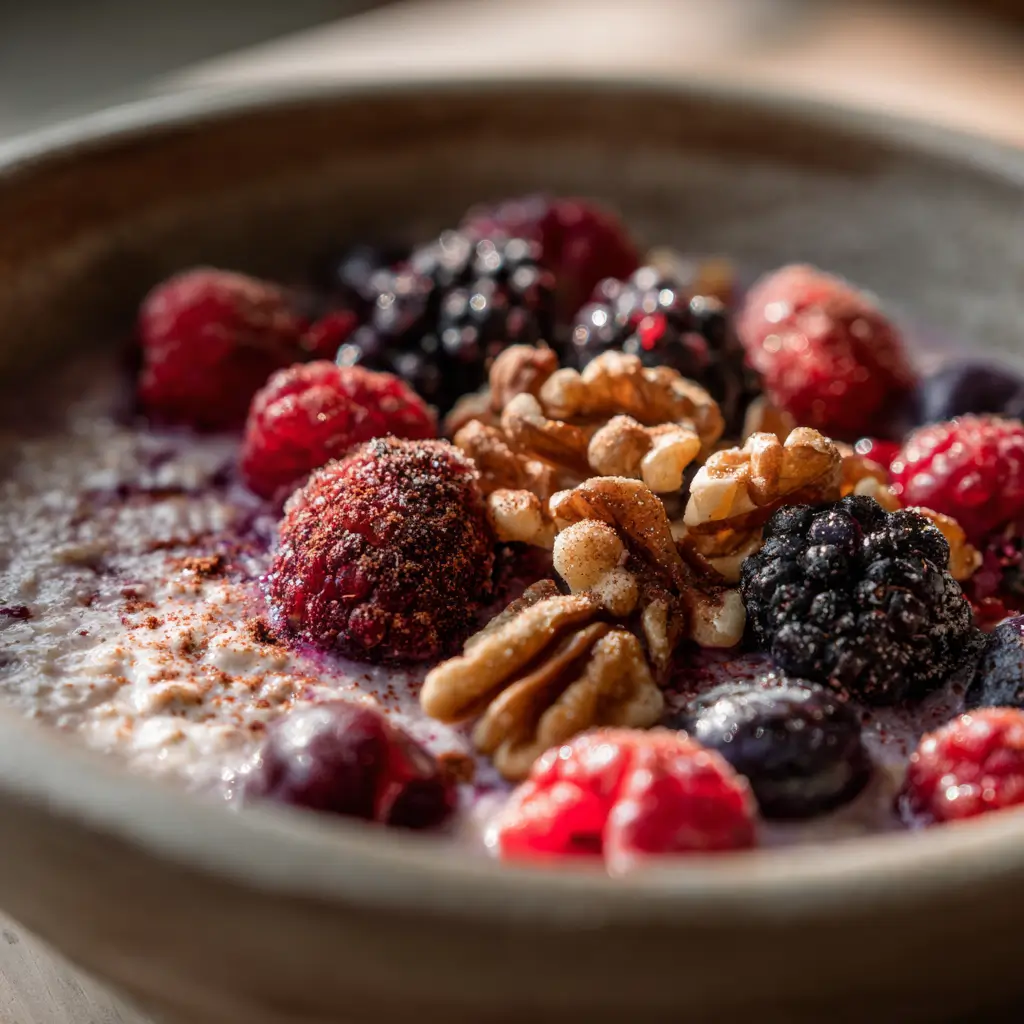
When preparing low GI overnight oats, choosing the right fruits is key to keeping your meal both flavorful and blood sugar–friendly. Stick with low glycemic fruits like blueberries, raspberries, strawberries, blackberries, or small portions of green apple. These fruits are rich in fiber, antioxidants, and vitamins that help slow down sugar absorption and prevent glucose spikes.
Bananas and mangoes might taste great, but they have a higher glycemic load. If you do use them, combine them with chia seeds or nuts to help balance the sugar impact. The goal is to enjoy natural sweetness while maintaining the steady energy that makes low glycemic overnight oats so effective.
Nuts, Seeds, and Spices for Texture and Nutrition
Adding nuts and seeds gives your low GI overnight oats an extra nutritional punch. Almonds, walnuts, chia, or flaxseeds supply healthy fats, protein, and fiber—all of which slow digestion and help control blood sugar. They also make your oats more satisfying, reducing the urge to snack before lunch.
Spices like cinnamon and nutmeg not only enhance flavor but also support sugar balance. Cinnamon, in particular, has been linked to improved insulin sensitivity, making it a perfect match for a diabetic-friendly oats recipe.
Flavor Combinations You’ll Love
| Combination | Benefits | Flavor Profile |
|---|---|---|
| Blueberries + Almond Butter | Antioxidants, protein, healthy fat | Sweet and nutty |
| Strawberries + Chia Seeds | Fiber and omega-3 boost | Fresh and fruity |
| Apples + Cinnamon | Natural sugar control | Warm and comforting |
| Raspberries + Walnuts | Heart-healthy fats + fiber | Tart and crunchy |
Try layering your low GI overnight oats with unsweetened Greek yogurt or nut butter for added creaminess. These ingredients help balance carbs and add satisfying protein.
If you love indulgent flavors but still want to stay low GI, check out our Chocolate Peanut Butter Overnight Oats — it’s rich, filling, and surprisingly blood sugar–friendly when made with the right ingredients.
Want even more inspiration? Join our food community on Pinterest for creative overnight oats recipes and healthy topping ideas you can mix and match all week long.
Tips to Make Low GI Overnight Oats Diabetic-Friendly
1. Choose the Right Base Oats
When preparing low GI overnight oats, always start with steel-cut oats instead of rolled or instant oats. Their coarse texture and intact fiber structure slow digestion, which helps prevent blood sugar spikes. For people managing diabetes or prediabetes, this makes a noticeable difference in energy stability throughout the day.
2. Skip the Added Sugar
Even small amounts of added sugar can raise the glycemic load of your breakfast. Instead of honey, maple syrup, or flavored syrups, sweeten your diabetic oats breakfast naturally with fresh berries, cinnamon, or a few drops of vanilla extract. These give your oats a delicious flavor without increasing glucose levels.
3. Add Protein and Healthy Fats
To make low glycemic overnight oats even more balanced, pair them with unsweetened Greek yogurt, almond butter, or chopped nuts. These ingredients help slow the absorption of carbohydrates, keeping you fuller for longer and supporting blood sugar control.
4. Be Mindful of Fruit Choices
While fruit adds freshness, not all fruits are created equal for diabetic-friendly recipes. Choose berries, apples, or pears instead of tropical fruits like mango or pineapple. You can also combine fruit with seeds or nuts to further balance the glycemic impact.
5. Watch Portion Size
Even healthy foods can affect blood sugar when eaten in large portions. Keep your serving around ½ to ¾ cup dry oats per meal. This provides enough fiber and carbs for energy without overwhelming your system.
6. Keep It Consistent
Eating low GI overnight oats regularly can help improve insulin sensitivity over time. Consistency is key—when your body gets used to balanced meals, it learns to handle glucose more efficiently.
Looking for more healthy oat options? Discover our Low Sugar Overnight Oats for Weight Loss — another great choice for managing blood sugar while enjoying delicious flavors.
Storage, Meal Prep, and Travel Tips for Low GI Overnight Oats
Make-Ahead Convenience for Busy Mornings
One of the best things about low GI overnight oats is how easy they are to prep in advance. You can make several servings at once and enjoy them throughout the week. Simply portion your oats into mason jars or airtight containers, add your liquid and mix-ins, then refrigerate. By morning, your oats will be soft, creamy, and ready to eat — no cooking required.
Storage Tips for Freshness
To keep your low glycemic overnight oats tasting their best, store them in the refrigerator for up to 4 to 5 days. Use a tight-sealing lid to maintain freshness and prevent moisture loss. If you prefer to add fruit or nuts, wait until the day you plan to eat them — this keeps your toppings crunchy and your fruit from getting soggy.
Travel-Friendly Breakfast Option
If you’re always on the go, low GI overnight oats make a perfect travel breakfast. Prepare them in portable jars with screw-on lids. They stay cold and fresh for several hours, especially when packed in a cooler bag. That means you can enjoy a healthy, diabetic-friendly oats breakfast anywhere — at work, the gym, or on the road.
Batch Prep Tips for Meal Planning
To make mornings even simpler, prepare a dry mix in advance. Combine steel-cut oats, chia seeds, and cinnamon in bulk, then portion into containers. Each night, add milk or water and refrigerate. This “ready-to-soak” system saves time and ensures your low GI overnight oats always fit your blood sugar–friendly meal plan.
Check out our Meal Prep Overnight Oats for Weight Loss for more creative prep strategies and flavor ideas that fit perfectly into a balanced diet.
FAQs About Low GI Overnight Oats
Are overnight oats low glycemic?
Yes, overnight oats can be low glycemic, especially when made with steel-cut oats and minimal added sugar. The soaking process softens the oats without breaking down their fiber, helping them digest slowly and keep blood sugar stable. Adding ingredients like chia seeds, nuts, and berries further lowers the overall glycemic load.
How to make overnight oats diabetic-friendly?
To make low GI overnight oats diabetic-friendly, start with steel-cut oats and combine them with unsweetened plant-based milk, chia seeds, and cinnamon. Skip added sugars and top your oats with low glycemic fruits such as berries or apples. These small tweaks help improve insulin sensitivity and make it a perfect diabetic oats breakfast.
How can I make oats lower GI?
You can make your oats lower GI by choosing less processed oats, like steel-cut or groats, and combining them with fiber and protein sources. Ingredients like flaxseeds, nuts, and yogurt slow down digestion, reducing glucose release. Avoiding sweeteners and using spices like cinnamon also helps your low glycemic oats stay truly blood sugar–friendly.
What is the healthiest overnight oats recipe?
The healthiest low GI overnight oats recipe includes steel-cut oats, chia seeds, unsweetened almond milk, cinnamon, and fresh berries. This mix provides balanced macros, steady energy, and lasting fullness. You can also customize it with a spoonful of nut butter or Greek yogurt for extra creaminess and protein.
If you’re experimenting with ingredients or prepping in bulk, read our guide on Overnight Oats Ratio to get the perfect consistency every time while keeping your oats delicious and low GI.
Conclusion
The Bottom Line on Low GI Overnight Oats
Low GI overnight oats are one of the simplest, healthiest, and most effective breakfasts you can make. By using steel-cut oats, high-fiber seeds, and low glycemic fruits, you create a meal that supports stable blood sugar, better energy, and long-lasting fullness. Whether you’re managing diabetes or simply looking for a more balanced morning meal, this recipe proves that healthy can still be delicious.
With just a few ingredients and an overnight soak, you can prepare a week’s worth of low glycemic oats that taste as good as they are good for you. The best part? No cooking required — just creamy, wholesome nutrition ready when you are.
Don’t miss our Healthy Chocolate Overnight Oats for another flavorful, nutrient-rich way to start your day. And for more creative meal ideas, visit our recipe boards on Pinterest.